
Local SEO vs Traditional SEO: Essential Insights for Small Business Owners
May 8, 2026

By Alan Nguyen, AJWN Consulting
In the digital landscape, understanding the nuances between local SEO and traditional search engine optimization is crucial for small business owners aiming to enhance their online presence. Local SEO focuses on optimizing a business's visibility in local search results, while traditional SEO aims for broader organic visibility across search engines. This article will delve into the key differences, benefits, and effective strategies for small businesses to leverage both approaches. Many small business owners struggle with attracting local customers, and knowing how to optimize their online presence can significantly impact foot traffic and sales. We will explore the distinctions between these two SEO strategies, the advantages of local SEO, and actionable steps to implement effective SEO practices.
Indeed, for small businesses with physical locations, local SEO is a powerful strategy to convert online searches into real-world customer visits and sales.
Local SEO for Small Businesses: Attracting Foot Traffic
For businesses with physical storefronts, online marketing strategies like local SEO help attract foot traffic by catering to users searching for businesses near them. Leveraging search to connect with local customers is a powerful way to drive offline engagement and sales, making local SEO an indispensable tool for small businesses aiming to thrive in their communities.
Analyzing the Impact of Emerging Digital Marketing Strategies: A Case Study on the Effectiveness of SEO, Social Media, in Small Businesses
Key Differences:
Local SEO and traditional SEO serve different purposes and target audiences. Understanding these differences is essential for small business owners looking to optimize their online strategies effectively.
- Target Audience Differences: Local SEO targets customers within a specific geographic area, while traditional SEO aims to attract a broader audience regardless of location. Mobile devices play an increasingly important role in local search, as many users search for nearby businesses while on the go.
- Keyword Usage Variations: Local SEO incorporates location-based keywords, whereas traditional SEO focuses on more general keywords that may not include geographic identifiers. Search engine optimization relies on understanding these keyword patterns to reach the right audience at the right time.
- Search Result Visibility: Local SEO often results in higher visibility in local search results, including Google Maps and the local pack, while traditional SEO focuses on organic search rankings across a wider range of queries. The SERP (search engine results page) displays these results differently, with local pack listings appearing prominently for location-based searches.
These distinctions highlight the importance of tailoring SEO strategies to meet specific business goals and customer needs.
Benefits of Local SEO for Small Businesses:

Local SEO offers several advantages that can significantly enhance a small business's visibility and customer engagement.
- Increased Visibility: By optimizing for local search, businesses can appear in local search results and Google Maps, making it easier for potential customers to find them. A strong Google Business Profile listing improves your visibility across multiple search channels.
- Higher Foot Traffic: Local SEO strategies can lead to increased foot traffic as more customers discover the business through local searches. Local search ranking factors directly influence whether your business appears when searchers look for services in their area.
- Improved Credibility: A well-optimized Google Business Profile and positive customer reviews enhance a business's credibility and trustworthiness in the eyes of local consumers.
For small business owners, implementing local SEO strategies can lead to tangible benefits, including increased sales and customer loyalty.
Research further emphasizes how local optimization can significantly boost organic traffic and conversion rates for businesses, particularly in competitive local markets.
Local SEO Strategies for Retailers & Google Local Pack
The purpose of local optimization for retailers is to increase organic traffic and improve placement in the local pack compared to competitors. By optimizing business information and location pages, retailers can enhance their visibility in local search results and drive more qualified traffic to their storefronts.
Effective Strategies for Small Business Owners:
To maximize the benefits of local SEO, small business owners should consider implementing the following strategies:
Optimize Google Business Profile:
A well-optimized Google Business Profile is essential for local visibility. Key steps include:
- Complete Profile Information: Ensure all business details, such as address, phone number, and hours of operation, are accurate and up-to-date. Complete business information helps searchers find and contact you easily.
- Add High-Quality Photos: Visual content can attract more customers and enhance engagement.
- Respond to Reviews: Engaging with customer feedback shows that the business values its customers and can improve overall ratings.
Incorporate Local Keywords:
Using local keywords is vital for effective local SEO. Consider the following:
- Identify Local Keywords: Research and select keywords that reflect the local area and services offered.
- Use in Content and Metadata: Integrate these keywords naturally into website content, titles, and meta descriptions. Title tags should include both your service and location for better local search visibility.
- Focus on Long-Tail Keywords: Long-tail keywords often have less competition and can attract more targeted traffic.
Build Consistent Directory Listings:
Consistency across online directories is crucial for local SEO success. Steps include:
- Submit to Trusted Directories: Ensure the business is listed in reputable online directories relevant to the industry. Consistent business listings across the web strengthen your local search presence.
- Fix Inconsistent Listings: Regularly check and update listings to maintain accuracy.
- Strengthen Local SEO Efforts: Consistent NAP (Name, Address, Phone Number) information across directories enhances local search rankings.
Create Localized Content:
Creating content that resonates with the local community can improve engagement. Strategies include:
- Engage with Local Events: Highlight participation in community events or sponsorships to connect with local customers.
- Highlight Community Involvement: Share stories about how the business supports local initiatives or charities.
- Use Local Stories: Incorporate local history or culture into content to create a stronger connection with the audience. Location pages can showcase your expertise in serving specific geographic areas.
Encourage Customer Reviews:
Customer reviews play a significant role in local SEO. To encourage reviews:
- Ask for Reviews: Prompt satisfied customers to leave positive feedback on Google and other platforms.
- Respond to Feedback: Engage with both positive and negative reviews to show that the business values customer input.
- Build Trust with Potential Customers: A strong collection of positive reviews can enhance credibility and attract new customers.
What Are the Key Differences Between Local SEO and Traditional SEO?
Local SEO and traditional SEO differ primarily in their focus and execution. Local SEO is designed to optimize a business's online presence for local searches, while traditional search engine optimization aims for broader visibility across search engines. This distinction is crucial for small business owners to understand, as it influences their marketing strategies and customer engagement efforts.
How Does Local SEO Target Geographically Relevant Searches?
Local SEO targets geographically relevant searches by optimizing for location-based keywords and utilizing tools like Google Business Profile. This approach ensures that businesses appear in local search results, making it easier for potential customers in the area to find them. By focusing on local optimization, businesses can effectively reach their target audience and drive more foot traffic.
What Are the Broad Organic Visibility Goals of Traditional SEO?
The primary goals of traditional SEO include improving website ranking, attracting a broader audience, and building brand authority. By focusing on general keywords and optimizing for organic search, businesses can enhance their online presence and reach potential customers across various demographics and locations. Google search visibility is a key metric for measuring traditional SEO success.
Which Local SEO Strategies Best Improve Local Search Rankings?
Several local SEO strategies can significantly improve local search rankings, including optimizing Google Business Profile, incorporating local keywords, and building consistent directory listings. These strategies work together to enhance a business's visibility in local search results and attract more customers. Understanding local search ranking factors helps you prioritize your optimization efforts effectively.
How to Optimize Google My Business for Local Visibility?
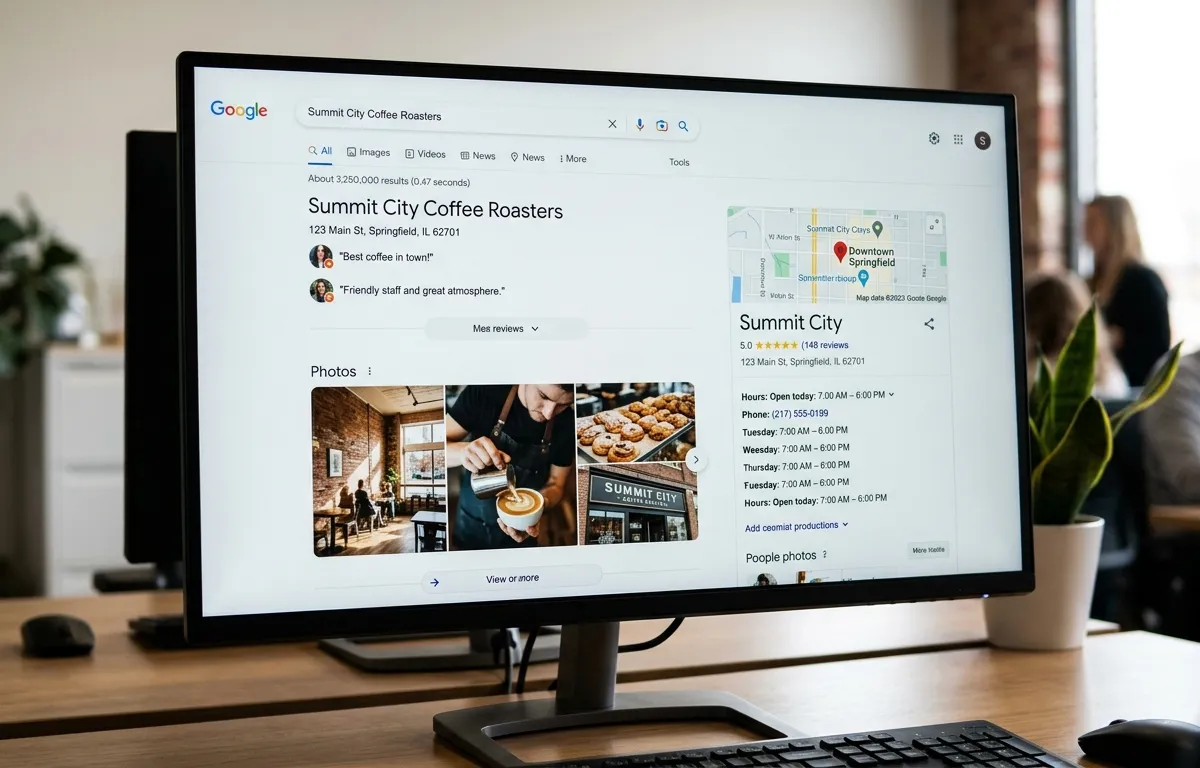
Optimizing Google My Business involves several key steps:
- Complete Profile: Ensure all business information is accurate and comprehensive.
- Add Photos: Include high-quality images that showcase the business.
- Post Updates: Regularly update the profile with news, offers, and events to engage customers.
These steps can enhance local visibility and attract more customers to the business.
An active and well-maintained Google Business Profile is consistently shown to be crucial for enhancing local search visibility and influencing customer decisions.
Google Business Profile Impact on Local Search & Customer Choices
Google Business Profile information such as location, contact information, hours of operation, website link, reviews, and images significantly affect consumer choices. An active and updated profile enhances visibility on Google Maps and in local searches, helping local businesses connect with customers effectively.
What Role Do Local Citations and Reviews Play in Local SEO?
Local citations and reviews are critical components of local SEO. Citations help establish a business's credibility and authority, while positive reviews enhance trust among potential customers. Together, they contribute to improved local search rankings and increased visibility in local search results. GBP listings with strong review profiles consistently rank higher in local pack results.
What Are Traditional SEO Best Practices for Small Business Websites?
Best practices for traditional SEO include:
- Keyword Research: Identify relevant keywords to target in content.
- On-Page Optimization: Optimize website elements such as titles, meta descriptions, and headers.
- Building Backlinks: Acquire high-quality backlinks to improve domain authority and search engine rankings.
Implementing these practices can enhance a small business's online presence and attract a broader audience.
How Can Small Businesses Choose Between Local and Traditional SEO?
Choosing between local and traditional SEO depends on several factors, including business type, target audience, and marketing goals. Small businesses that primarily serve local customers should prioritize local SEO, while those with a broader market may benefit from traditional SEO strategies. Many businesses benefit from a balanced approach that combines both.
What Factors Determine the Best SEO Approach for Your Business?
Several factors influence the best SEO approach for a business, including:
- Business Type: Service-based businesses often benefit more from local SEO, while e-commerce sites may focus on traditional SEO.
- Target Audience: Understanding where the target audience is located and how they search can guide the SEO strategy.
- Online Presence: Assessing the current online visibility and competition can help determine the most effective approach.
How to Measure SEO Success Using Key Performance Indicators?
Measuring SEO success involves tracking key performance indicators (KPIs) such as:
- Track Organic Traffic: Monitor the number of visitors coming from organic search results.
- Monitor Keyword Rankings: Keep track of how well the website ranks for targeted keywords.
- Analyze User Behavior: Evaluate metrics such as bounce rate and time on site to understand user engagement.
These KPIs provide valuable insights into the effectiveness of SEO strategies and areas for improvement.
Ready to Boost Your Local Search Visibility?

Whether you're looking to dominate local search results or expand your reach across broader markets, the right SEO strategy can transform your online visibility and drive real business results.
AJWN Consulting specializes in both local SEO and traditional search engine optimization for small businesses. Our team helps you understand which approach (or combination) works best for your goals, then implements proven strategies to attract more customers and grow your business.
Ready to get started?
Or contact us here to discuss your SEO strategy.